What is brand identity, and how is it different from a logo?
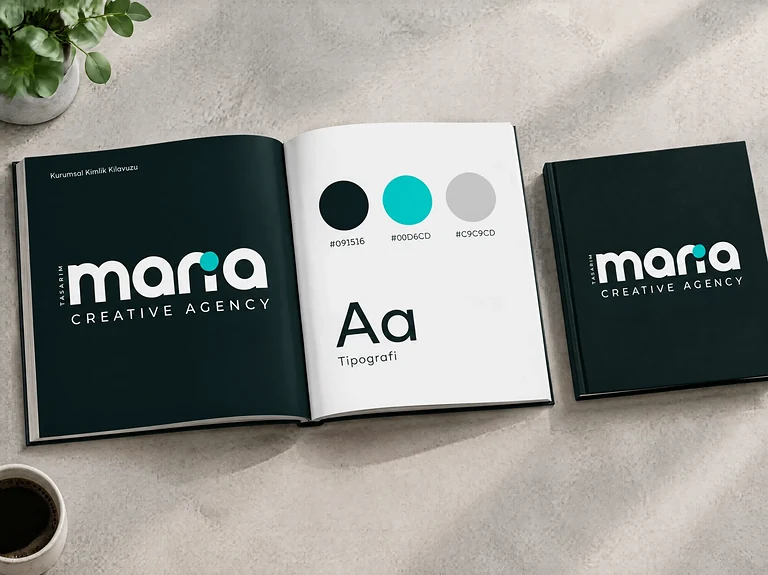
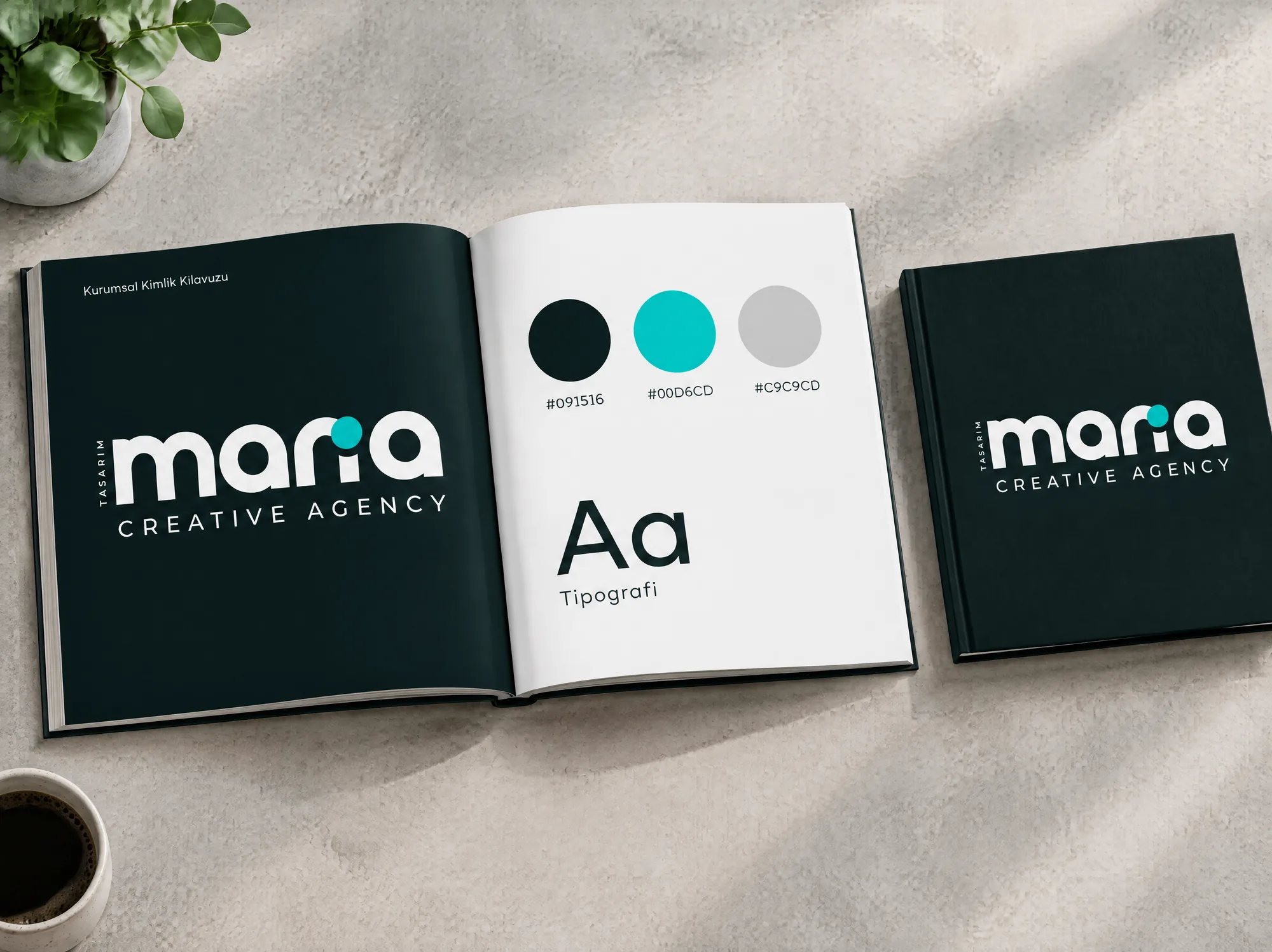
A logo is your brand's symbol, but brand identity is a complete system covering the colour palette, typography, visual language and usage rules. The brand identity guidelines make sure your logo is used consistently across different channels.
What stages does brand identity design go through?
First, we hold a discovery call, then prepare concept sketches. Next, we produce the chosen direction in vector format and run a final check. At delivery, we hand over the vector source files together with the different usage formats.
What's included in a brand identity design package?
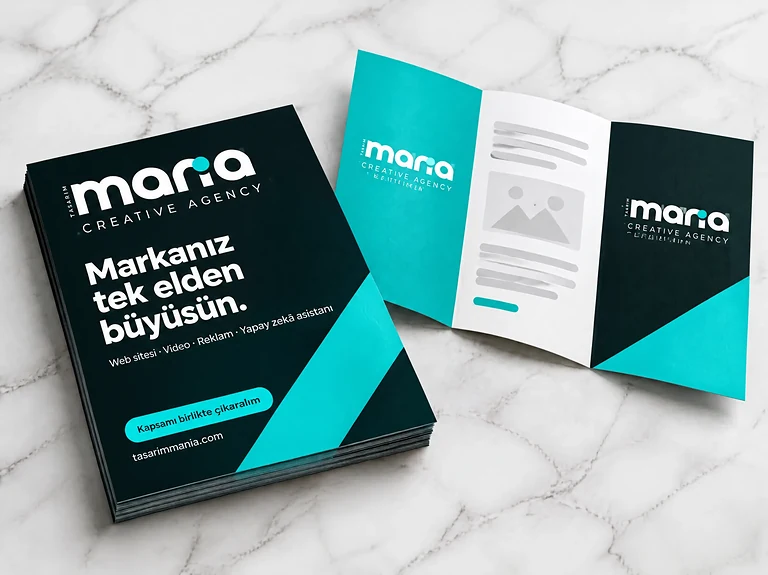
The package includes brand identity guidelines covering logo variations, colour codes, typographic hierarchy, visual language examples and correct vs. incorrect usage comparisons. We also deliver vector source files, print-ready versions and social media profile images.
What affects business card and catalogue design prices?
Page count, content density, the need for illustration and the delivery format determine the cost. That's why we don't list a single price; we share current package details in the pricing section.
What formats do you deliver catalogue designs in?
We prepare the catalogue as a print-ready, high-resolution PDF or as an interactive digital file with an on-screen page-flip effect. If needed, we deliver both formats together, so you can use the same catalogue in print and on screen.
Are social media graphic templates included in the package?
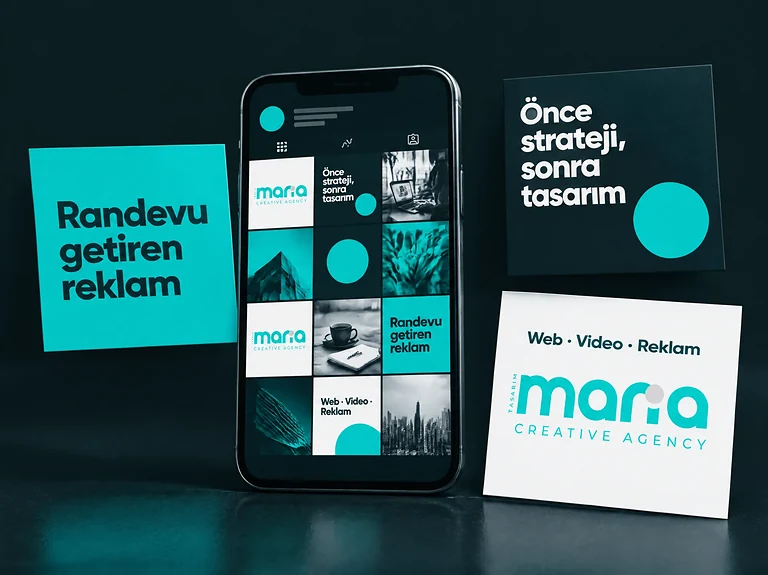
We offer the template set as an add-on module to the brand identity package or as a standalone service. So we define the scope during our call, based on what your brand needs.
Can we keep our current logo and just have brand identity guidelines created?
Yes. We review and keep your current logo, then prepare guidelines covering only colour, typography and usage rules. If the logo needs a revision, we assess that separately.
How do you manage revisions and the approval process?
After sharing the concept, we collect feedback through a single point and apply revisions accordingly. That way, different stakeholders' input comes together in one file and the approval process stays on track.